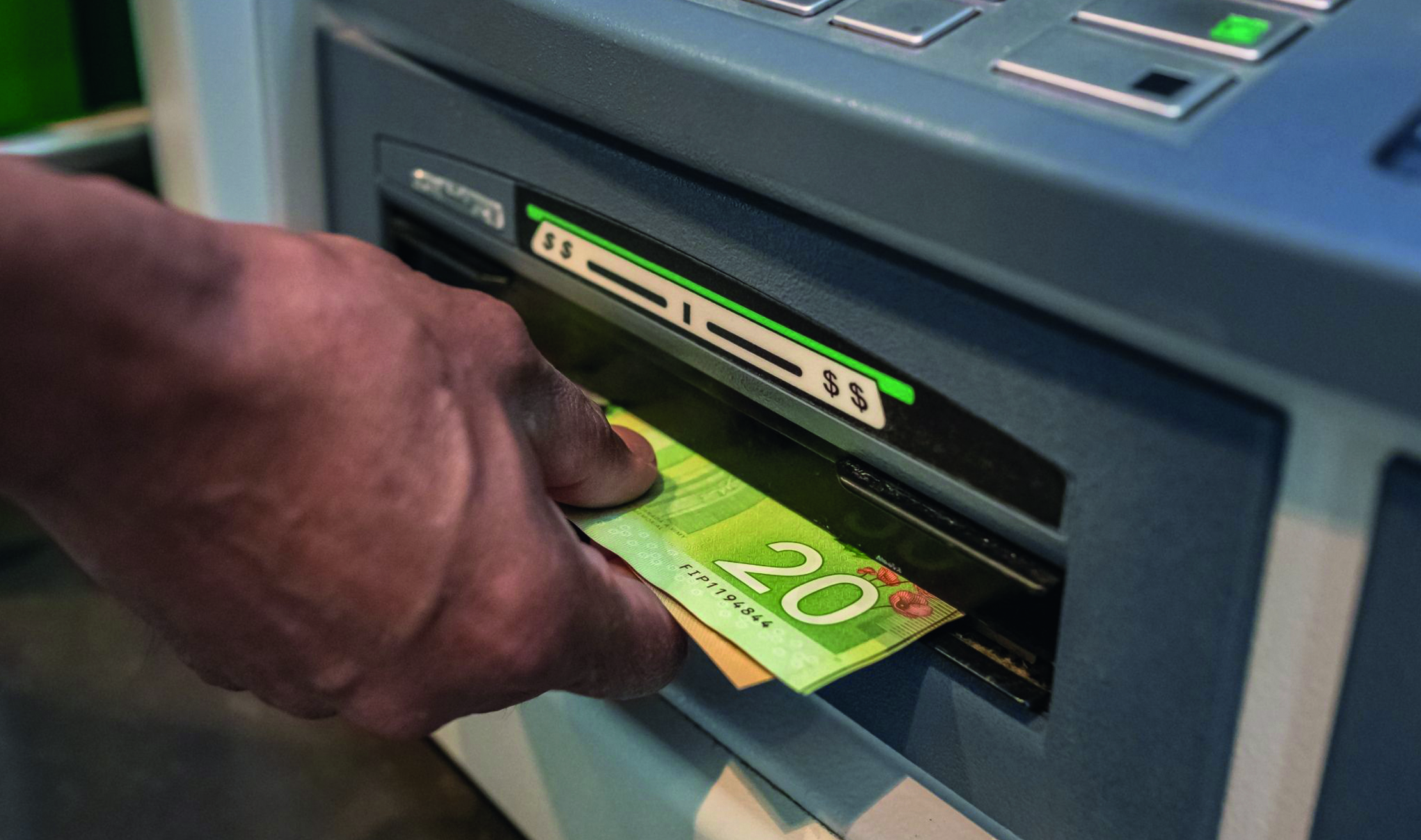
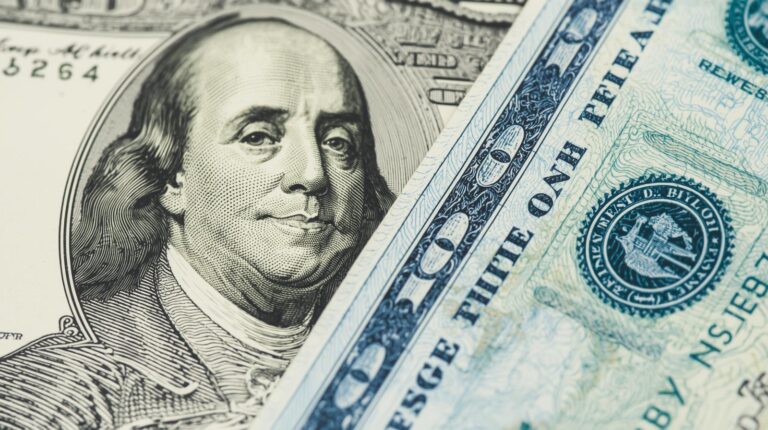
If you are looking to buy or transfer US dollars, you have probably heard the terms blue dollar and white dollar. These two banknotes are identical in terms of global value, but the main difference is in the level of security and appearance details.
1. Date of issue
White dollar: Old $100 bills printed before 2013.
Blue dollar: New version that entered circulation in 2013.
2. Security features
White dollar: Lacks the blue security strip and modern anti-counterfeiting technologies.
Blue dollar: Has a thick blue security strip, security thread, and several advanced features to prevent counterfeiting.
3. Appearance differences
Color and design: The number “100” on the blue dollar is printed in gold and a different font.
Franklin image: The blue dollar features Benjamin Franklin without the circle around the image.
Liberty Bell symbol: The Liberty Bell symbol has been added to the design.
4. Market Value
World Value: From the perspective of the Federal Reserve, both banknotes have the same value and are the official currency of the United States.
Iranian Market: Due to greater security and less possibility of counterfeiting, the blue dollar is usually bought and sold at a higher price, and exchanges accept the white dollar at a lower rate.
5. Acceptance in other countries
Some countries, such as China, Turkey, Thailand, and the Philippines, have restricted or eliminated the older $100 bills and most only accept the new banknotes (blue dollars).
Legally, there is no difference between the blue and white dollars, but for travel, money transfers, or investments, it is recommended to choose the blue dollar due to its higher security and wider acceptance.
Nikan Exchange experts are ready to advise you on buying, selling, and safely transferring blue or white dollars and provide the best rate.
+1 647 553 2000
+1 647 553 7000
+1 647 429 7000
This post is for informational purposes only; the final decisions are yours.
For informational purposes only. Final decisions are yours.