Choosing the right method to transfer money to Canada depends on speed, security, cost, and the amount of the transfer. Each method has its advantages and limitations and should be chosen based on your needs.
1. Bank Transfer / Electronic Transfer
Advantages:
High security: The most secure way to transfer money.
Traceability: Transactions are fully traceable and recorded.
Suitable for large amounts: Best for transferring significant amounts.
Disadvantages:
Slower speed: The process usually takes a few hours to a few business days.
Higher cost: Includes bank fees and transaction costs.
Sanction restrictions: Restrictions may apply depending on the country of origin.
2. Cash Transfer
Advantages:
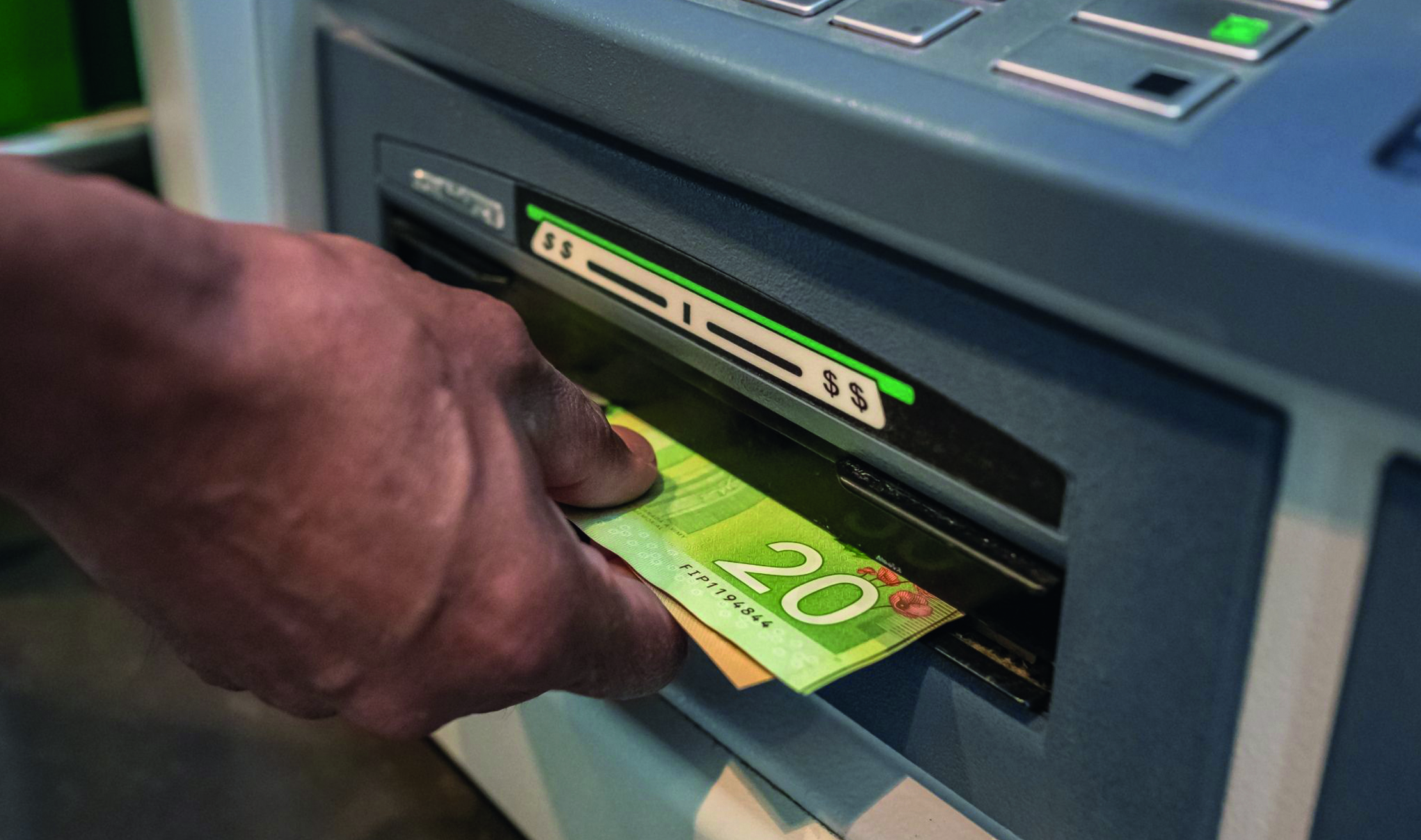
High speed: The money is available immediately.
Lower fees: Often costs less than a bank transfer.
Simplicity: For small amounts, complex documentation is usually not required.
Disadvantages:
Less security: There is a risk of theft, loss, or misdelivery.
Large amount restrictions: Carrying large amounts of cash is not recommended.
Carrying risks: Moving banknotes has its own risks.
Which method is right for you?
If speed and convenience are your priority and the amount is not large, cash transfer is a good option.
If security and traceability are important, especially for large amounts, bank transfer is the best choice.
For small amounts that need to be received immediately, cash transfer is fast, but consider the risk.
The Nikan Exchange team is ready to guide you in choosing the best method of transferring money to Canada and recommend the safest and fastest option based on your needs.
+1 647 553 2000
+1 647 553 7000
+1 647 429 7000
This post is for information only; The final decision is yours.
For informational purposes only. Final decisions are yours.